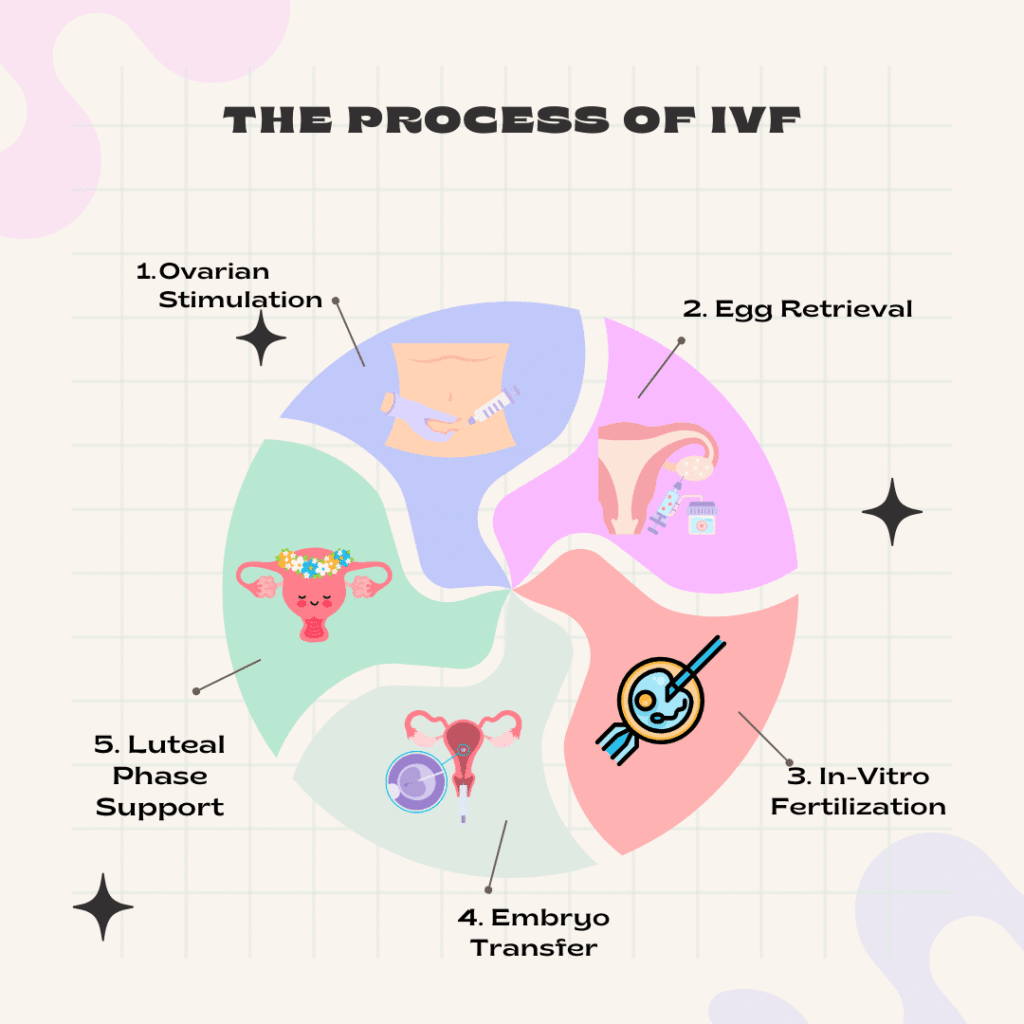
A common misconception in fertility is that egg quality is a fixed trait. In reality, while a woman is born with all the eggs she will ever have, the maturation process of those eggs is a dynamic, months-long journey. Understanding the 90-day Egg cycle is a powerful tool because it means you have a three-month window to actively influence the health of the egg that will eventually be released.
The Science of Maturation
Before an egg is ready for ovulation (or retrieval during IVF), it undergoes a transformation phase that takes approximately 90 to 100 days. During this period, the egg moves from a “sleeping” or dormant state into an active state of growth krisna ivf helps you to make parents.
- The Critical Window: During these three months, the egg is developing its biological machinery. This is when it builds its mitochondria (the energy centers) and prepares its chromosomes for fertilization.
- Environmental Sensitivity: Because the egg is metabolically active during this time, it is highly sensitive to the internal environment of your body. This includes your nutrient levels, blood sugar balance, and levels of oxidative stress
Why Nutrition is the Building Block
The nutrients you consume today are the raw materials the egg uses to build its structures. Here is how your diet over the last 90 days impacts the final outcome:
1. Mitochondrial Energy (The Cellular Battery)
For an embryo to divide and grow, the egg must provide a massive amount of energy. This energy comes from the mitochondria.
- Nutritional Support: Specific antioxidants and nutrients like CoQ10, B-Vitamins, and Omega-3 fatty acids protect the mitochondria from damage during the 90-day growth phase.
- The Result: Eggs with “high-energy” batteries are more likely to fertilize and develop into healthy embryos.
2. Protecting Chromosomal Integrity
The most common cause of pregnancy loss or IVF failure is chromosomal abnormalities. While some of this is age-related, oxidative stress can also damage the genetic material inside the egg during its maturation.
- The Role of Antioxidants: A diet rich in colorful vegetables, berries, and nuts provides a “shield” against oxidative damage. By flooding your system with antioxidants for 90 days, you reduce the risk of DNA fragmentation within the egg.
3. Blood Sugar and Ovarian Environment
High blood sugar and insulin spikes create an inflammatory environment in the ovaries.
- The 90-Day Shift: Consistently eating a Low-Glycemic diet for three months helps lower inflammation in the follicular fluid (the liquid that surrounds the egg). A “cleaner” follicular fluid allows the egg to mature without being hampered by hormonal interference.
The Timeline of Improvement
Because the cycle takes about three months, changes you make today won’t be fully reflected in your egg quality until roughly 90 days from now.
- Month 1: Focus on detoxifying the environment. Hydration and fiber-rich foods help clear out excess hormones and toxins.
- Month 2: Focus on rebuilding. Increase intake of healthy fats and lean proteins to provide the structural building blocks for cell membranes.
- Month 3: Focus on protection. Prioritize high-antioxidant foods and stable blood sugar to ensure the final stage of maturation is as smooth as possible.
Consistency Over Perfection
The 90-day cycle is not about being “perfect” for a week; it is about the cumulative effect of your choices over a quarter of a year. Every healthy meal and every glass of water is an investment in the quality of the egg you will release three months down the line.
“The egg you ovulate in 90 days is listening to the choices you make this morning.”