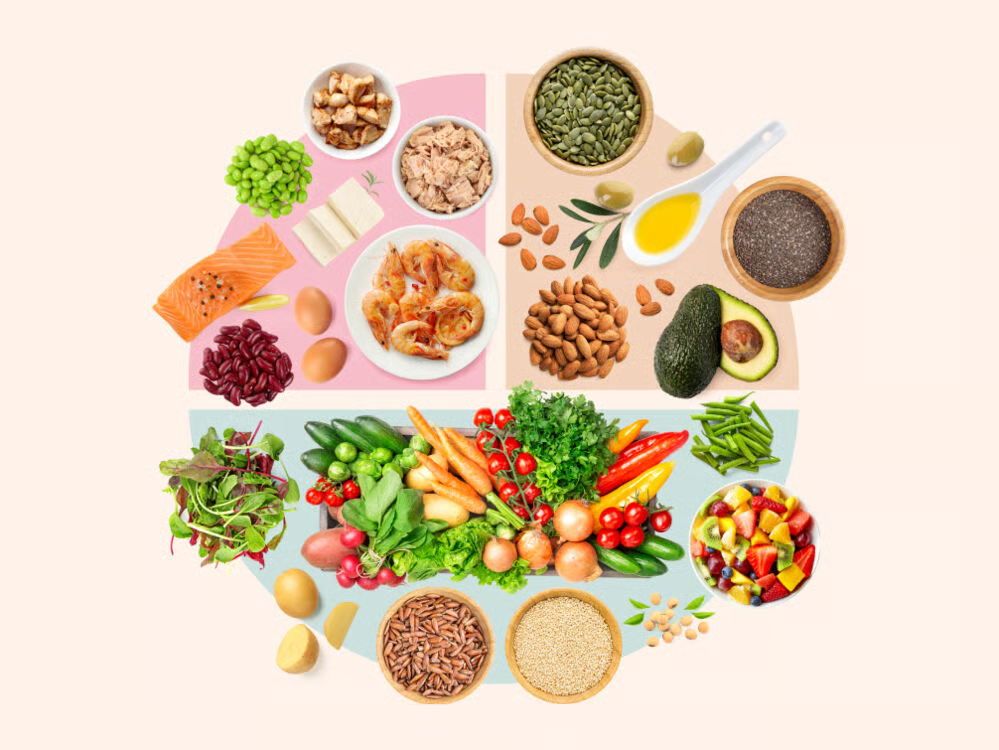
For many navigating Polycystic Ovary Syndrome (PCOS), the root cause of irregular cycles and fertility hurdles often traces back to a single hormone: Insulin. By adopting a Low-Glycemic Index (Low-GI) approach to nutrition, you can directly influence your body’s hormonal environment, paving the way for more consistent ovulation and improved reproductive health. Managing PCOS with Low-GI Foods.
The Insulin-PCOS Connection
Insulin is responsible for managing blood sugar. However, the majority of women with PCOS experience Insulin Resistance, meaning the body’s cells don’t respond efficiently to the hormone. This causes the pancreas to overproduce insulin to compensate.
Elevated insulin levels are problematic for fertility because they:
- Trigger Androgen Production: High insulin signals the ovaries to produce excess testosterone.
- Disrupt Follicle Development: Excess androgens prevent follicles from maturing and releasing an egg, leading to “string of pearls” appearances on ultrasounds and missed periods.
Why Low-GI Foods Are the Solution
The Glycemic Index (GI) ranks carbohydrates based on how quickly they raise blood glucose levels.
- High-GI Foods (e.g., white bread, sugary snacks, processed cereals) cause rapid spikes in blood sugar, leading to a massive surge in insulin.
- Low-GI Foods (e.g., lentils, non-starchy vegetables, whole grains) digest slowly, causing a gradual rise in blood sugar and a steady, minimal release of insulin.
By choosing Low-GI options, you reduce the “insulin spikes” that drive ovarian dysfunction.
Essential Low-GI Dietary Strategies
1. Swap Your Grains
Processed grains have been stripped of their fiber, making them high-GI. Switch to “intact” grains that contain fiber to slow down sugar absorption.
- Instead of: White rice, maida (refined flour), or instant oats.
- Choose: Steel-cut oats, quinoa, brown rice, or traditional millets like Jowar and Bajra.
2. Focus on Fiber-Rich Legumes
Beans and lentils are powerhouses for PCOS management. They provide a combination of slow-burning carbohydrates and plant-based protein.
- Include: Chickpeas, kidney beans, moong dal, and black-eyed peas. These help stabilize blood sugar for hours after a meal.
3. Prioritize Non-Starchy Vegetables
Vegetables are naturally low-GI and packed with antioxidants that reduce the inflammation often associated with PCOS.
- Include: Leafy greens (spinach, kale), broccoli, peppers, zucchini, and cucumbers. Aim for these to take up half of your plate at every meal.
4. Smart Fruit Selection
While fruit is healthy, some are higher in sugar than others.
- Best Options: Berries (strawberries, blueberries), cherries, pears, and apples (with the skin). These have a lower glycemic load than tropical fruits like mangoes or pineapples.
The Power of “Food Pairing”
Even when eating Low-GI carbohydrates, you can further blunt the insulin response by pairing them with Protein and Healthy Fats.
- The Rule: Never eat a carbohydrate “naked.”
- The Result: Protein and fat slow down gastric emptying, ensuring that the glucose from the carbohydrate enters your bloodstream even more slowly.
- Example: Instead of just an apple, have an apple with a tablespoon of almond butter or a handful of walnuts.
What to Expect: The Path to Regularity
Transitioning to a Low-GI lifestyle isn’t a “quick fix,” but the biological impact is profound. As insulin levels stabilize:
- Testosterone levels begin to drop.
- The “Hormonal Noise” clears, allowing the brain to signal the ovaries effectively.
- Ovulation becomes more frequent, increasing the natural window for conception.
Managing PCOS with krisna ivf & fertility center through Low-GI nutrition is about creating a calm, stable internal environment where your reproductive system can finally function as intended.