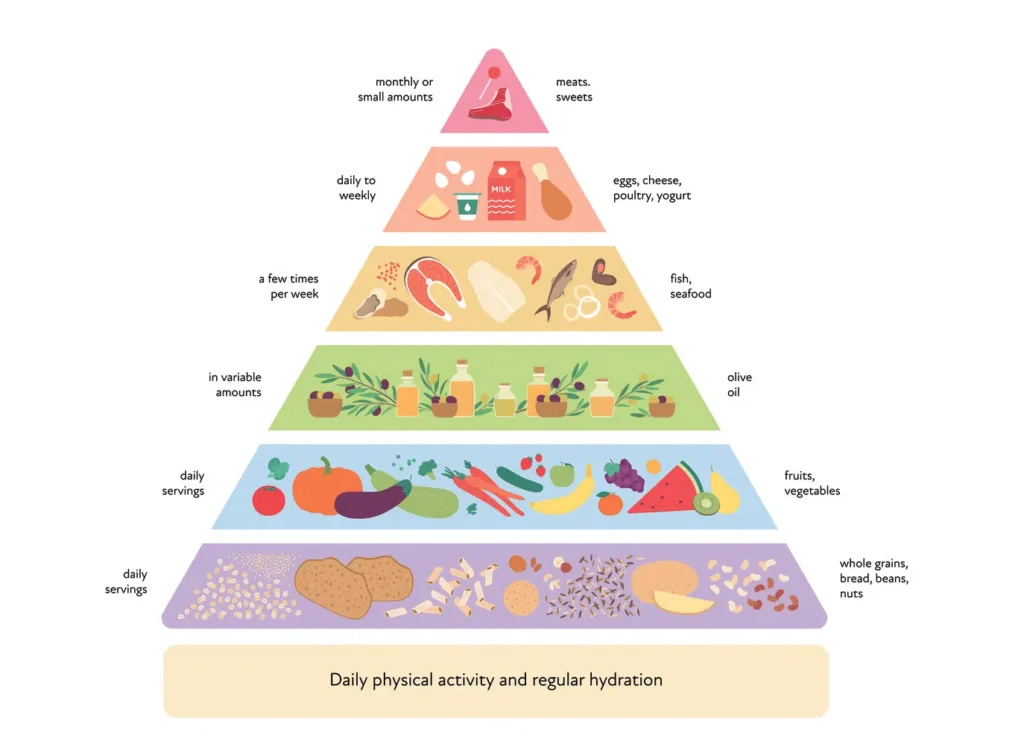
For women navigating Polycystic Ovary Syndrome (PCOS), the journey to conception often feels like a constant battle with hormones. While PCOS is a complex condition, one of its most significant drivers is Insulin Resistance.
At Krisna IVF & Fertility Center, we have seen how shifting focus toward a targeted nutritional strategy—specifically a Low-Glycemic (Low-GI) diet—can stabilize blood sugar, lower insulin levels, and naturally encourage regular ovulation.
The Link Between Insulin and Ovulation
Insulin is a hormone that helps your body process sugar. In many women with PCOS, the body’s cells become “resistant” to insulin, forcing the pancreas to pump out even more. High levels of insulin are problematic because they:
- Stimulate the Ovaries: Excessive insulin signals the ovaries to produce more testosterone (androgens).
- Halt Ovulation: High androgen levels interfere with the development of follicles, preventing the release of an egg.
By Managing PCOS Through Diet, you effectively lower the “noise” interfering with your reproductive cycle.
Why the Low-Glycemic Index (GI) Matters
The Glycemic Index ranks carbohydrates based on how quickly they raise blood glucose levels.
- High-GI Foods: Cause a rapid “spike” in blood sugar and a subsequent surge in insulin.
- Low-GI Foods: Digest slowly, providing a steady release of energy and keeping insulin levels flat and stable.
Essential Diet Strategies for PCOS
At Krisna IVF & Fertility Center, we recommend these four pillars for hormonal balance:
1. Prioritize Whole, Unprocessed Carbs
Swap “white” and refined carbohydrates for their whole-grain counterparts. These contain fiber, which slows down sugar absorption.
- Swap: White rice for brown rice, quinoa, or millets (like Jowar or Bajra).
- Swap: White bread for sprouted grain or 100% whole-wheat options.
2. The Power of “Fiber-First” Eating
Fiber is a PCOS warrior’s best friend. It binds to sugar and slows its entry into the bloodstream.
- Include: Legumes (lentils, chickpeas), seeds (chia, flax), and a wide variety of leafy green vegetables. Aim for at least 25–30 grams of fiber daily.
3. Pair Carbs with Protein and Fat
Never eat a carbohydrate “naked.” When you eat fruit or a grain, always pair it with a protein or a healthy fat to further blunt the insulin response.
- Example: An apple (carb) with almond butter (fat/protein).
- Example: Berries (carb) with Greek yogurt (protein).
4. Focus on Anti-Inflammatory Fats
PCOS is often associated with low-grade chronic inflammation, which can worsen insulin resistance.
- Include: Omega-3 rich foods like walnuts, chia seeds, and fatty fish. Use olive oil or avocado oil instead of processed vegetable oils.
Sample Low-GI Food Swaps for Better Balance
| Instead of (High GI) | Choose (Low GI) |
| Cornflakes or Sugary Cereal | Steel-cut Oats with Nuts |
| Potatoes or Mashed Potatoes | Sweet Potatoes or Cauliflower Mash |
| Fruit Juices | Whole Fruits (Berries, Cherries, Pears) |
| Sugary Sodas | Herbal Teas or Infused Water |
| White Flour Pasta | Chickpea Pasta or Zucchini Noodles |
The Result: A More Receptive Body
When insulin levels drop, the hormonal environment inside the ovaries begins to shift. Testosterone levels decrease, and the natural “feedback loop” between the brain and the ovaries can reset. At Krisna IVF & Fertility Center, we observe that this often leads to:
- More predictable menstrual cycles.
- Improved egg quality.
- A higher success rate during fertility treatments.
Managing PCOS Through Diet isn’t about restriction; it’s about bio-hacking your hormones to create the healthiest possible version of yourself for a future pregnancy.