One of the most persistent hurdles in reproductive medicine is the natural decline of egg quality as a woman ages. However, a groundbreaking frontier in molecular biology is exploring the role of protective proteins—specifically Shugoshin 1 (SGO1)—as a potential key to reversing age-related defects in eggs rejuvenation proteins.
The Role of Shugoshin 1 in Egg Health
To understand how this protein works, we must look at the “glue” that holds an egg’s genetic material together. Every egg contains chromosomes that must be perfectly aligned and separated during the maturation process.
- The “Guardian” Protein: Shugoshin, which translates to “guardian spirit” in Japanese, is a protein that protects the connection between sister chromatids. It ensures that chromosomes stay together until the exact moment they are meant to split.
- The Age Factor: Research indicates that as women age, the levels of Shugoshin 1 within the egg naturally deplete. When this “guardian” protein is missing, the chromosomes often fall apart prematurely or align incorrectly.
Reversing Defects: The Impact of Protein Injections
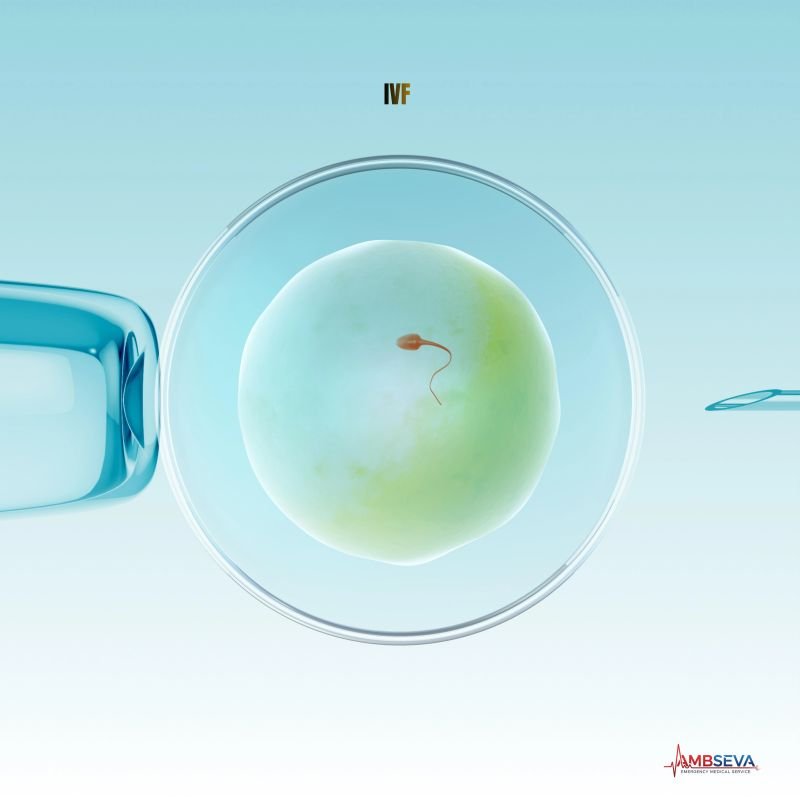
New experimental research has focused on whether replenishing this protein can “rejuvenate” an older egg. By injecting Shugoshin 1 into aging oocytes, scientists have observed several transformative effects:
1. Correcting Chromosomal Misalignment (Aneuploidy)
The leading cause of miscarriage and IVF failure in women over 35 is aneuploidy, or an abnormal number of chromosomes in the egg.
- The Fix: Injecting SGO1 helps stabilize the chromosomal structure, significantly reducing the chances of the egg dividing with the wrong number of chromosomes.
2. Strengthening Cellular Scaffolding
The “spindle” is the cellular machinery that pulls chromosomes apart. In older eggs, the spindle is often weak or disorganized.
- The Fix: Shugoshin 1 helps maintain the tension and integrity of the spindle fibers, ensuring a more robust and accurate division process.
3. Improving Embryo Viability
An egg rejuvenated with SGO1 is more likely to develop into a high-grade embryo. By fixing the genetic architecture at the earliest possible stage, the resulting embryo has a much higher chance of successful implantation and a healthy term pregnancy.
Beyond “Three-Parent IVF”
Unlike Mitochondrial Replacement Therapy (often called “three-parent IVF”), which involves donor material, Shugoshin 1 therapy focuses on repairing the mother’s own egg. It targets the internal biological clock of the cell rather than replacing its components. This approach offers a future where women may be able to utilize their own genetic material with higher success rates later in life.
Current Research and the Future of IVF
While the use of SGO1 protein injections is currently in the advanced research and clinical trial phases, it represents a monumental shift in how we view fertility. It suggests that “egg quality” is not a permanent state, but a biological condition that can potentially be managed and restored at the molecular level.
The Path Toward Molecular Rejuvenation
As we move toward more personalized and precise fertility treatments, understanding the role of proteins like Shugoshin 1 allows for a more optimistic outlook on age-related infertility. By focusing on the very proteins that protect our DNA, we are finding new ways to bridge the gap between biological age and reproductive dreams in krisna ivf &fertility center.